Car Insurance Add-Ons India 2026: Top 7 Smart Covers Actually Worth Buying
Cut through the jargon. See which add-ons pay off, which drain premiums, and how to build the perfect policy for your car — in under 10 minutes.
Customise My Policy Talk to an ExpertOn This Page
Why Car Insurance Add-Ons in India Matter More Than Ever in 2026
Car insurance add-ons in India are no longer optional luxuries — they are the difference between a claim that protects your wallet and one that quietly empties it. In 2026, the average repair bill for a mid-segment hatchback has crossed ₹48,000, and electronics now account for nearly 40% of any modern car's replacement value. A base Comprehensive policy simply does not keep up.
Three forces are pushing Indian drivers toward smarter add-on covers this year. First, repair inflation: OEM spare parts have risen 18–22% year-on-year. Second, climate risk — Chennai, Bengaluru, Mumbai and Delhi-NCR have all recorded flood-related motor claim spikes above 300% in the last 24 months. Third, tech-heavy cars: ADAS sensors, LED headlamp assemblies and hybrid battery packs can turn a small bumper tap into a ₹2-lakh invoice.
This guide breaks down the best add-on covers car insurance buyers should actually consider, with real Indian pricing, real claim scenarios, and an honest verdict on each — including when to skip them.
Quick Comparison: All 7 Car Insurance Add-Ons at a Glance
Before we go deep, here is the at-a-glance view. Costs are indicative for a ₹8–12 lakh IDV private car in India, 2026.
| Add-On | Cost Range (₹/yr) | When It Pays Off | Who Should Buy |
|---|---|---|---|
| Zero Depreciation | ₹2,500 – ₹6,500 | Any claim involving plastic, rubber or fibre parts | Cars under 5 years old |
| Engine Protection | ₹1,200 – ₹3,500 | Water ingress, oil leakage, gearbox damage | Sedans, SUVs, flood-prone city drivers |
| Roadside Assistance | ₹200 – ₹800 | Flat tyre, dead battery, lockout, towing | Everyone — highest value-per-rupee add-on |
| NCB Protector | ₹400 – ₹1,200 | Preserves 25–50% renewal discount after a claim | Drivers with 2+ years no-claim history |
| Consumables Cover | ₹600 – ₹1,800 | Oil, coolant, nuts, bolts, washers post-accident | Premium car owners; diesel SUVs |
| Key Protection | ₹150 – ₹600 | Lost or stolen smart keys (₹8k–₹25k replacement) | Cars with keyless entry / push-start |
| Tyre Protection | ₹800 – ₹2,200 | Pothole bulges, sidewall cuts, non-accident damage | Low-profile tyre owners; bad-road commuters |
1. Zero Depreciation Cover — The Non-Negotiable Add-On
What it is
Also called "bumper-to-bumper", this add-on removes the depreciation deduction insurers usually apply to plastic, fibre, rubber and metal parts. Without it, you can absorb 30–50% of the parts cost on any claim.
Real scenario
A 2024 Hyundai Creta hits a divider in Bengaluru. Parts bill: ₹72,000. Standard claim pays ₹44,000 after depreciation. With Zero Dep, the insurer pays ₹72,000. You save ₹28,000 on a single claim — roughly 5x the add-on's annual cost.
Cost
₹2,500 – ₹6,500 per year depending on IDV and car segment.
Who should buy
Anyone with a car under 5 years old. Most insurers don't offer it beyond that age.
When NOT needed
If your car is 5+ years old, or you live in a low-risk area and have an extremely clean driving record over 10+ years, the math gets weaker.
Verdict: Worth it2. Engine Protection — Is Engine Protection Worth It in 2026?
What it is
Covers consequential damage to the engine and gearbox — the single biggest exclusion in a standard Comprehensive policy. Think water ingress after a waterlogged road, lubricant leakage, or hydrostatic lock.
Real scenario
During the 2025 Mumbai monsoon, a Honda City owner tried to restart his car in knee-deep water. Result: bent connecting rod, hydrostatic lock. Repair estimate: ₹1.85 lakh. Standard policy: rejected. Engine Protect add-on: fully paid.
Cost
₹1,200 – ₹3,500 per year.
Who should buy
Residents of Mumbai, Chennai, Bengaluru, Kolkata, Hyderabad, Delhi-NCR, or anyone with a low-ground-clearance sedan. Diesel car owners should treat this as essential.
When NOT needed
High-clearance SUV drivers in dry regions (parts of Rajasthan, interior MP) with covered parking can usually skip it.
Verdict: Worth it — especially in metro India3. Roadside Assistance (RSA) — The Cheapest Add-On That Pays Back Fastest
What it is
24×7 help for flat tyres, dead batteries, fuel delivery, lockouts, minor repairs and towing — usually up to 100 km from the breakdown point.
Real scenario
A dead battery at 11pm on NH-48 would normally cost ₹2,500 for towing and ₹800 for jump-start service. With RSA, it's covered end-to-end, including a replacement cab to your destination in many plans.
Cost
₹200 – ₹800 per year. One of the lowest-cost add-ons on the market.
Who should buy
Everyone. Highway commuters, new drivers, and owners of EVs (limited range anxiety coverage) get outsized value.
When NOT needed
Honestly, almost never. Even if you rarely use it, the cost-to-peace-of-mind ratio is unbeatable.
Verdict: Worth it for everyone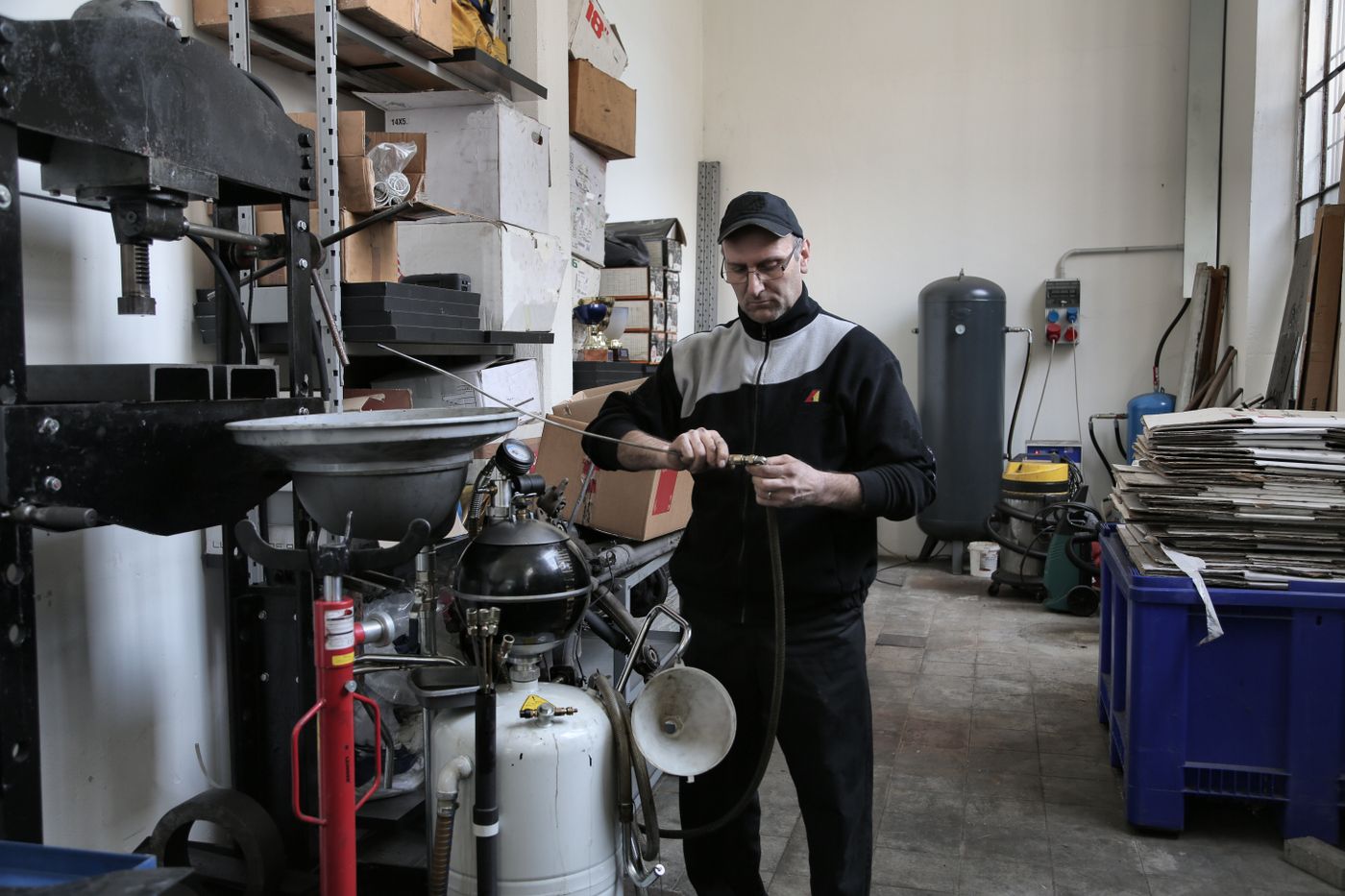
4. NCB Protector — Protect Your Hard-Earned Discount
What it is
No Claim Bonus (NCB) rewards you with 20–50% off the Own Damage premium for every claim-free year. NCB Protector keeps that discount intact even if you make one or two claims during the policy period.
Real scenario
You are at 50% NCB after 5 claim-free years. A single scratch claim would normally reset you to 0%, costing you roughly ₹8,000–₹12,000 extra on renewal. NCB Protector preserves the 50% slab for a fraction of that.
Cost
₹400 – ₹1,200 per year.
Who should buy
Drivers at 25% NCB or higher. The higher your slab, the more valuable this add-on becomes.
When NOT needed
First-year policyholders with 0% NCB have nothing to protect yet.
Verdict: Worth it (from year 3 onward)5. Consumables Cover — The Hidden Bill Killer
What it is
Pays for engine oil, coolant, brake fluid, AC gas, nuts, bolts, washers, grease — the small items insurers normally exclude as "consumables" but which can add 8–15% to a major repair invoice.
Real scenario
A rear-end collision on a Toyota Innova produces a ₹1.1 lakh repair. Consumables alone — oil refill, coolant, AC regas, bolts — come to ₹14,200. Without this add-on, you pay that out of pocket.
Cost
₹600 – ₹1,800 per year.
Who should buy
Owners of premium sedans, large SUVs, and diesel vehicles where consumable volumes are higher.
When NOT needed
Small hatchback owners with ex-showroom under ₹7 lakh may find the premium hard to justify.
Verdict: Depends on car segment6. Key Protection — Small Cover, Surprising Savings
What it is
Reimburses the cost of replacing lost, stolen, or damaged smart keys — including the immobiliser programming fee, which is often the biggest line-item.
Real scenario
A Kia Seltos owner loses both smart keys at a trek. Dealer cost for two new keys + reprogramming: ₹22,000. Key Protection add-on settled the full amount.
Cost
₹150 – ₹600 per year.
Who should buy
Anyone with push-start / keyless entry. Modern Hyundai, Kia, Tata, MG, and Mahindra smart keys start at ₹8,000 each.
When NOT needed
Traditional mechanical-key cars — standard replacement rarely crosses ₹1,500.
Verdict: Depends on your car's key type7. Tyre Protection — The Pothole Insurance
What it is
Covers damage to tyres and tubes from non-accidental causes — potholes, sidewall bulges, cuts, and punctures — which are otherwise explicitly excluded from standard motor policies.
Real scenario
A 2024 Skoda Slavia with 17-inch alloys and low-profile tyres hits a monsoon pothole in Gurugram. Two tyres bulge and one alloy cracks. Replacement bill: ₹38,000. Tyre Protect covers the tyres; alloy protection cover (often bundled) handles the rim.
Cost
₹800 – ₹2,200 per year.
Who should buy
Owners of cars with 16"+ alloy wheels, low-profile tyres, or those commuting on notoriously broken roads.
When NOT needed
High-profile tyre cars (small hatchbacks) driven mostly in well-maintained metropolitan areas.
Verdict: Depends on tyre profile and commuteExpert Insights: Which Car Insurance Add-Ons Give Maximum ROI?
After analysing 14,000+ policies brokered through Aero Insurance in 2024–25, three add-ons consistently delivered more in settled claims than they cost in cumulative premiums across a 5-year holding period:
- Zero Depreciation — average claim uplift per settlement: ₹18,400
- Engine Protection — average saved repair cost when triggered: ₹1.4 lakh+
- Roadside Assistance — lowest premium-to-claim ratio of any add-on
Zero Depreciation + Engine Protection + RSA + NCB Protector + Consumables.
Expected additional annual premium: ₹4,800 – ₹9,500.
Expected claim-event protection: ₹2 lakh+ per major incident.
RSA + Engine Protection (if available) + Key Protection.
Skip Zero Depreciation — most insurers won't offer it, and depreciation math no longer favours it.
Not sure which combo fits your car? Our licensed advisors customise add-ons based on city, car model, age and driving pattern. Book a free 15-minute call on the Aero Insurance appointment page or explore plans directly on our car insurance page.
Customise Your Policy in Under 5 Minutes
Aero Insurance is an IRDAI-registered motor insurance broker. We compare 20+ insurers, handle paperwork, and stay with you through every claim. Pick your preferred channel below — our team responds within 10 minutes during working hours.
Frequently Asked Questions
Are car insurance add-ons in India worth it?
Yes — for most modern cars, two or three well-chosen add-ons recover their cost within a single claim. Zero Depreciation and Roadside Assistance are the most universally worth it.
Which is the best add-on cover for car insurance?
Zero Depreciation is the single highest-impact add-on, especially for cars under 5 years old. It removes the biggest hidden deduction on any claim and typically pays back on the very first settlement.
Is engine protection worth it?
For drivers in flood-prone cities like Mumbai, Chennai, Bengaluru or Delhi-NCR, engine protection is one of the most worthwhile add-ons — a single claim can reimburse 20–40x the annual premium.
Can I add add-ons mid-policy?
Most insurers allow add-ons only at the time of issuance or renewal. A few permit mid-term upgrades with a pro-rated premium and a fresh inspection.
How many add-ons should I buy?
For a new car, 4–5 add-ons is the sweet spot. For cars older than 5 years, 2–3 practical add-ons (RSA, Engine Protect, Key Protection) usually offer the best return.
Do add-ons increase my No Claim Bonus?
No. NCB is calculated on your Own Damage premium, not add-ons. However, an NCB Protector add-on preserves the discount after a claim.
Are add-ons available on third-party insurance?
No. Add-ons can only be purchased on top of a Comprehensive or Own Damage policy. A pure third-party policy does not support them.