EV Insurance Guide · 2026
Tata Nexon EV Insurance vs Ola S1 Pro: The Ultimate 2026 Guide to Premium, Battery Cover & 7 Critical Add-Ons
Two of India's best-selling EVs. Two completely different insurance stories. Here's the deepest, most honest comparison you'll read this year.
By the Aero Insurance Editorial Team · Updated April 2026 · 12-minute read
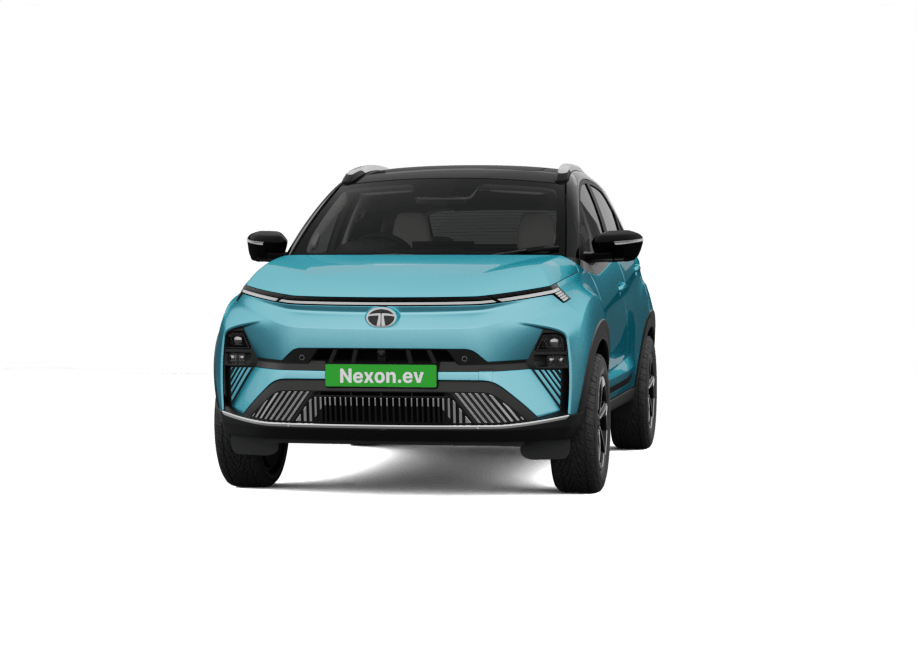
India crossed 2.4 million electric vehicle registrations in FY 2025-26, and two names dominate every showroom conversation: the Tata Nexon EV, the country's best-selling electric SUV, and the Ola S1 Pro, the highest-selling premium electric scooter. Buying one is the easy part. Insuring it correctly is where most owners quietly lose lakhs.
If you've searched for Tata Nexon EV insurance or Ola S1 insurance, you've probably found a wall of generic comparisons that ignore the single most important factor: the battery. A 45 kWh Nexon EV battery pack costs upwards of ₹7 lakh to replace. An Ola S1 Pro battery? Roughly ₹50,000 — close to a third of the scooter's on-road value. Standard motor insurance does not cover battery damage in many real-world scenarios. That gap is exactly where this guide lives.
Below, you'll get model-specific premium ranges, a side-by-side add-on table, real claim scenarios, a PAYD breakdown, and a clear answer to the question every buyer is asking — which EV insurance policy is actually right for me? This is the most detailed EV insurance comparison India available online, written for owners who want clarity, not jargon.
Quick context: In India, EVs are insured under the standard motor insurance framework regulated by IRDAI, with EV-specific add-ons. There is currently no separate "EV-only" insurance category, which is why getting your add-on stack right matters far more than picking a base policy.
Tata Nexon EV vs Ola S1 Pro Insurance: Quick Comparison
A 30-second snapshot before we dive into the details. All figures are 2026 indicative estimates for a first-year comprehensive policy in metro cities (Delhi NCR, Mumbai, Bengaluru).
| Parameter | Tata Nexon EV (LR) | Ola S1 Pro (Gen 3) |
|---|---|---|
| Vehicle Category | Electric SUV (4-wheeler) | Electric scooter (2-wheeler) |
| Ex-showroom Price | ₹14.5L – ₹17.5L | ₹1.30L – ₹1.55L |
| Battery Capacity | 30 kWh / 45 kWh | 4 kWh |
| Battery Replacement Cost | ₹6.5L – ₹10L | ₹40,000 – ₹60,000 |
| Third-Party Premium (1-yr) | ₹5,400 – ₹7,900 | ₹540 – ₹780 |
| Comprehensive Premium (1-yr) | ₹18,000 – ₹32,000 | ₹2,500 – ₹5,500 |
| IDV Range (Year 1) | ₹13L – ₹16L | ₹1.05L – ₹1.40L |
| Most Critical Add-on | Battery Protect + Zero Dep | Battery Protect + RSA |
| EV TP Discount (IRDAI) | 15% on TP base | 15% on TP base |
Estimates as of April 2026. Actual premium depends on RTO, NCB, IDV, add-on selection and insurer. Get an exact quote from Aero Insurance.
Tata Nexon EV Insurance: Premium, Battery & Add-Ons
The Tata Nexon EV is, in insurance terms, a high-IDV vehicle with an exceptionally expensive single component — the lithium-ion battery pack. That changes the maths in three meaningful ways.
Premium range for Tata Nexon EV insurance
For a brand-new Nexon EV LR (2026), expect a comprehensive premium in the band of ₹18,000 to ₹32,000 per year. The variation depends on:
- RTO location — Mumbai and Delhi premiums run roughly 12-18% higher than Tier-2 cities.
- IDV declared — a higher IDV protects you in the event of total loss but raises premium.
- NCB carry-forward — a 50% NCB from your previous car can drop your own-damage premium dramatically.
- Add-ons selected — adding Battery Protect, Zero Depreciation, RTI and Engine Protect can push the premium past ₹32,000 in Year 1.
Battery replacement cost — the hidden risk
Tata Motors offers an 8-year / 1,60,000 km warranty on the high-voltage battery, but this warranty is voided in cases of water ingress, accident damage, fire from external causes, and unauthorised servicing. The cost of a replacement Nexon EV pack ranges from ₹6.5 lakh to ₹10 lakh depending on variant and battery generation.
Without a Battery Protect add-on, a flooded battery — disturbingly common in Indian monsoons — is treated as a consequential loss and frequently rejected by insurers. This single gap can wipe out 50-60% of your vehicle's value overnight.
Add-ons we recommend for the Nexon EV
- Battery Protect — non-negotiable for Indian conditions.
- Zero Depreciation — pays the full cost of plastic, fibre and rubber parts; saves 30-50% on partial-damage claims.
- EV Charger Cover — covers home wall-box and portable cable damage from short circuits, fire or theft.
- Return to Invoice (RTI) — pays the on-road price (not just IDV) on total loss for the first 3 years.
- Roadside Assistance with on-spot charging — arranges towing and emergency charging if you run out of charge.
- Consumables — covers nuts, bolts, coolants, AC gas during repair.
Ola S1 Pro Insurance: Premium, Battery & Charger Risk
The Ola S1 Pro is a fundamentally different insurance product. The battery is a smaller absolute cost but a larger percentage of the vehicle, and the risk profile shifts heavily towards theft, charger fires, and minor accidents in dense urban traffic.
Ola S1 insurance premium range
Comprehensive premiums sit between ₹2,500 and ₹5,500 in Year 1, with third-party-only cover available from roughly ₹540 (after the 15% IRDAI EV discount). Long-term policies — 5-year third-party bundled with 1-year own-damage — are mandatory for new two-wheelers and front-load your TP cost into the on-road price.
Battery + charger: the real claim drivers
India saw a wave of e-scooter battery fires between 2022 and 2024, and while battery management systems have improved, three risks remain stubborn:
- Charger short circuit at home — the leading cause of e-scooter battery damage. Standard insurance does not cover this without a charger cover add-on.
- Water ingress while parked — Ola S1 Pro is IP67-rated for the battery, but submersion above the rated depth voids cover.
- Theft from low-rise apartments — two-wheeler theft rates in metros remain 4-5x higher than four-wheeler theft.
Scooter-specific risks worth pricing in
Beyond the battery, three risks hit scooter owners disproportionately: third-party bodily injury claims (a single pedestrian injury claim can run into lakhs), panel and console damage from minor falls, and key & smart-key replacement costs on the Ola which can exceed ₹6,000 without a Key Protect add-on.
For most Ola S1 Pro owners, a comprehensive policy with Battery Protect, EV Charger Cover, RSA and Zero Depreciation costs around ₹4,500-5,500 per year — a small price for protection that can save 30-40% of the scooter's value in a single claim.
Battery Insurance Deep Dive: Where Most EV Policies Fail
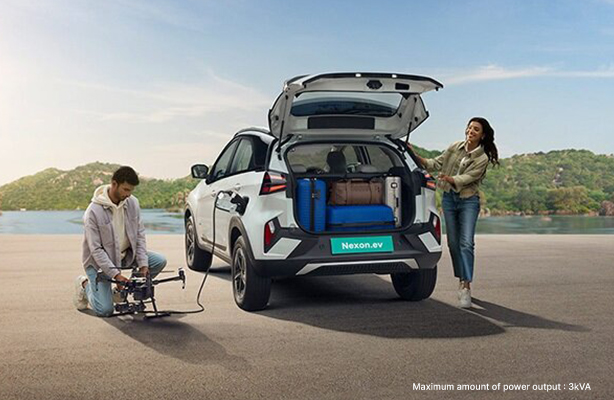
This is the single most important section in this guide. The battery is 40-50% of the cost of an EV. In a petrol car, the equivalent is the engine — but engines rarely fail catastrophically, while EV batteries fail in well-documented, predictable ways.
What does standard insurance actually cover?
A standard comprehensive motor insurance policy in India covers the battery as part of the vehicle only when the damage is a direct consequence of an insured peril — accident, fire from external sources, or theft. It does not automatically cover:
- Water ingress and short circuits caused by flooding
- Fire originating inside the battery pack (thermal runaway)
- Mechanical damage to the pack from speed bumps or potholes
- Damage from unauthorised home charging set-ups
- Battery degradation or capacity loss
Battery replacement costs (April 2026 estimates)
The takeaway: if a battery-related event isn't covered by a standalone Battery Protect add-on, you are personally on the hook for one-third to half the price of your EV. This is the single largest financial risk an Indian EV owner carries — and the easiest one to insure away for a few hundred extra rupees a year.
EV Add-Ons India: Side-by-Side Comparison
Here's exactly which add-ons each model needs, why, and what each one actually costs in 2026.
| Add-On | What it covers | Nexon EV — Need? | Ola S1 Pro — Need? | Annual Cost |
|---|---|---|---|---|
| Zero Depreciation | Pays full cost of fibre, plastic & rubber parts | ✅ Critical | ✅ Recommended | Nexon: ₹3,500-5,500 · Ola: ₹450-700 |
| Battery Protect | Covers battery damage from water, fire, short circuit | ✅ Non-negotiable | ✅ Non-negotiable | Nexon: ₹2,200-3,800 · Ola: ₹350-550 |
| EV Charger Cover | Home wall-box & portable charger damage | ✅ Recommended | ✅ Critical | Nexon: ₹500-900 · Ola: ₹200-350 |
| Roadside Assistance | Towing, on-spot charging, key lockout | ✅ Critical | ⚠️ Useful | Nexon: ₹250-450 · Ola: ₹150-250 |
| Consumables Cover | Nuts, bolts, coolant, washer fluid | ✅ Recommended | ⚠️ Optional | Nexon: ₹400-700 · Ola: ₹100-200 |
| Key & Lock Protection | Smart-key replacement, lock cylinder repair | ⚠️ Useful | ✅ Recommended | Nexon: ₹400-650 · Ola: ₹200-300 |
| Return to Invoice | Pays on-road price on total loss / theft | ✅ Year 1-3 | ✅ Year 1-2 | Nexon: ₹1,500-2,500 · Ola: ₹250-400 |
| NCB Protect | Preserves No Claim Bonus after 1 claim | ⚠️ Optional | ⚠️ Optional | Nexon: ₹250-400 · Ola: ₹100-150 |
Costs are 2026 indicative ranges across leading insurers. Bundled discounts are common when 4+ add-ons are taken.
PAYD Insurance EV: Pay As You Drive Explained
Pay As You Drive (PAYD) was introduced by IRDAI under its 2022 sandbox initiative and has matured into a mainstream product by 2026. It is genuinely useful for EV owners, but only in specific situations.
How PAYD works for EVs in India
You pay a fixed third-party premium (mandatory) plus a usage-linked own-damage premium. Telematics — either an OBD device or a mobile app — measures your kilometres. You select a slab (typically 2,500 / 5,000 / 7,500 / 10,000 km), and unused kilometres roll over or are refunded.
Should you pick PAYD for the Nexon EV?
Yes — if you drive less than 7,500 km a year. Most urban Nexon EV owners drive 9,000-12,000 km annually, putting them outside the savings zone. But if your Nexon EV is a second car for weekend use, PAYD can cut own-damage premium by 20-35%.
Should you pick PAYD for the Ola S1 Pro?
For most owners, no. Two-wheeler premiums are already low in absolute terms, and the savings from PAYD often don't justify the telematics complexity. Stick to a standard comprehensive policy with the right add-ons.
PAYD insurers active in 2026: ICICI Lombard, Bajaj Allianz General, Acko, HDFC ERGO, Digit, and Tata AIG. Aero Insurance can compare PAYD quotes alongside traditional policies in a single call.
Real Claim Scenarios: What Actually Happens at Settlement
The four scenarios below are based on common claim patterns reported by insurers in 2025-26. Names and amounts are indicative.
Scenario 1 — Nexon EV flooded in Mumbai monsoon
Owner parks Nexon EV LR overnight; water reaches 18 inches by morning, entering the battery enclosure. Battery management system flags fault codes; pack must be replaced.
- Without Battery Protect: Insurer treats it as consequential loss. Claim rejected. Out-of-pocket: ₹9.5 lakh.
- With Battery Protect + Zero Dep: Full battery replacement covered. Out-of-pocket: ₹500-1,000 (compulsory deductible).
Scenario 2 — Ola S1 Pro home charger short circuit
Wall socket overloads at 2 a.m.; both the charger and battery management circuit are damaged. Battery itself is salvaged but the BMS module needs replacement.
- Without EV Charger Cover: Charger replacement (₹4,500) and BMS repair (₹18,000) both rejected. Out-of-pocket: ₹22,500.
- With Charger Cover + Battery Protect: Both covered. Out-of-pocket: ~₹500.
Scenario 3 — Nexon EV minor accident, dented bumper + broken headlamp
Repair invoice: ₹62,000 (bumper assembly ₹38,000 + LED headlamp ₹19,000 + paint ₹5,000).
- Without Zero Dep: Insurer applies 50% depreciation on plastic/fibre parts. Owner pays ~₹22,000.
- With Zero Dep + Consumables: Full claim settled. Out-of-pocket: ₹1,000 deductible.
Scenario 4 — Ola S1 Pro stolen from apartment basement
Year-old scooter, ex-showroom ₹1.45 lakh, current IDV ₹1.18 lakh.
- Standard policy: Insurer pays IDV of ₹1.18 lakh.
- With Return to Invoice: Insurer pays full on-road price ₹1.45 lakh + registration + road tax. Recovery of full purchase value.
Total 1-Year Cost Breakdown
Here's a transparent cost stack — base premium plus the add-on combinations we'd actually recommend — for both vehicles in a Tier-1 city RTO with 0% NCB (Year 1).
| Component | Tata Nexon EV LR | Ola S1 Pro Gen 3 |
|---|---|---|
| Base Own-Damage Premium | ₹14,500 | ₹1,950 |
| Third-Party Premium (post 15% EV discount) | ₹6,200 | ₹620 |
| Battery Protect | ₹2,800 | ₹450 |
| Zero Depreciation | ₹4,200 | ₹550 |
| EV Charger Cover | ₹650 | ₹280 |
| Roadside Assistance | ₹350 | ₹180 |
| Return to Invoice | ₹1,900 | ₹320 |
| Consumables | ₹550 | — |
| GST @ 18% | ₹5,440 | ₹790 |
| Total Estimated Annual Premium | ₹36,590 | ₹5,140 |
Indicative figures. Aero Insurance can typically reduce these by 12-22% via insurer comparison and bundled discounts. Get your customised quote here.
Which EV Insurance Is Right for You?
Both vehicles need a comprehensive policy with EV-specific add-ons. The choices that matter are which add-ons, in what order, and at what budget. Here are four buyer personas to help you decide.
The metro family — Nexon EV LR as primary car
Drives 12-15K km/year, parks in basement, monsoon flooding risk. Optimum stack: Battery Protect + Zero Dep + RTI + RSA + Consumables. Skip PAYD.
The weekend Nexon EV owner
Drives under 6,000 km/year, second car. Optimum: PAYD policy + Battery Protect + Zero Dep + Charger Cover. Saves 25-30% vs. standard policy.
The Ola S1 Pro daily commuter
15-30 km/day, charges at home, parks outside flat. Optimum: Comprehensive + Battery Protect + EV Charger Cover + RTI + Key Protect.
The Ola S1 Pro delivery rider
High-mileage commercial use. Important: personal-use insurance is invalid for delivery work. You need a commercial two-wheeler policy plus battery and RSA add-ons.
Why EV Insurance Is Fundamentally Different
If you're moving from a petrol or diesel car to an EV, the mental model needs to change. Here are the five biggest differences that should reshape how you think about cover.
- Battery is the single largest claim component. In an ICE vehicle, no single component represents more than 15% of value. In a Nexon EV, the pack is over 50%.
- Repair networks are still maturing. Specialised EV repair facilities are concentrated in Tier-1 cities, which means longer repair lead times in smaller towns. RSA with EV-trained technicians matters more.
- Software and firmware can be claim-relevant. A failed firmware update bricking a BMS isn't covered by standard policies and rarely by add-ons either — keep manufacturer warranty paperwork meticulous.
- Charging infrastructure introduces new risks. Home wiring, public chargers, and portable cables all carry risk. EV Charger Cover is one of the cheapest, highest-value add-ons available.
- IRDAI offers a 15% TP discount specifically for EVs. A real, structural saving — make sure your policy reflects it. Many owners discover they were never given the discount in Year 1.
Get a Tailored EV Insurance Quote in Under 2 Minutes
Aero Insurance compares quotes from 20+ insurers, builds an EV-specific add-on stack for your Tata Nexon EV or Ola S1 Pro, and walks you through every clause. No spam, no robo-calls — just clean, honest advice.
Alternate line: +91 89531 46584 · Email: support@aeroinsurance.in
Explore all our motor insurance options at aeroinsurance.in/car-insurance.
Frequently Asked Questions
Is the battery covered in standard Tata Nexon EV insurance?
Partially. A standard comprehensive policy covers battery damage from external accidents, fire, or theft. It does not automatically cover damage from flooding, internal short circuits, or thermal runaway. You need a Battery Protect add-on for full coverage on a Tata Nexon EV.
What is the typical Ola S1 insurance premium in 2026?
For a brand-new Ola S1 Pro, comprehensive premiums in 2026 range from ₹2,500 to ₹5,500 per year, depending on RTO, IDV, and add-ons. Third-party-only cover starts around ₹540 per year after the 15% IRDAI EV discount.
Do I need a separate add-on for EV charger damage?
Yes. Damage to your home wall-box or portable charger from short circuit, fire, or theft is not covered by standard motor insurance. The EV Charger Cover add-on costs ₹200–₹900 per year and is one of the highest-value add-ons available.
Is PAYD insurance available for the Tata Nexon EV?
Yes. PAYD policies for the Nexon EV are offered by ICICI Lombard, Bajaj Allianz, Acko, HDFC ERGO, Digit, and Tata AIG. They make sense if you drive less than 7,500 km a year and can save 20-35% on own-damage premium.
What happens if my Ola S1 Pro battery catches fire?
If the fire is from an external cause, comprehensive insurance covers it. If it originates inside the battery (thermal runaway), you need a Battery Protect add-on for full settlement. Always file an FIR and get a fire department report — both are required for claim processing.
Can I transfer my No Claim Bonus from a petrol car to an EV?
Yes. NCB is tied to the owner, not the vehicle. If you sell your petrol car and buy a Nexon EV, you can carry forward your NCB (up to 50%) onto the new EV policy, dramatically reducing the own-damage premium in Year 1.
Are there EV-specific discounts on motor insurance in India?
Yes. IRDAI mandates a 15% discount on the third-party premium component for all electric vehicles. Many insurers also offer 5-10% off own-damage premium for EVs. Check your policy schedule to confirm both discounts have been applied.
Which is cheaper to insure — Tata Nexon EV or a similar petrol SUV?
The Nexon EV typically has a higher own-damage premium than the petrol Nexon because the IDV is higher. However, the third-party premium is 15% lower. Net premium is usually 8-12% higher for the EV — but the higher cost is justified by the much larger replacement risk on the battery.
The Bottom Line
EVs are the future. EV insurance is the present-day decision that protects that future. Whether you drive a Tata Nexon EV through Mumbai monsoons or weave through Bengaluru traffic on an Ola S1 Pro, the right add-on stack — anchored by Battery Protect, Zero Depreciation and Charger Cover — turns a potential ₹9-lakh crisis into a ₹500 deductible.
Don't insure your EV the way you insured your petrol car. Insure it for what it actually is: a vehicle whose value lives mostly in its battery and software. Get that part right and everything else takes care of itself.