
How to Transfer NCB When Buying a New Car — Step-by-Step Guide (2026 IRDAI Rules)
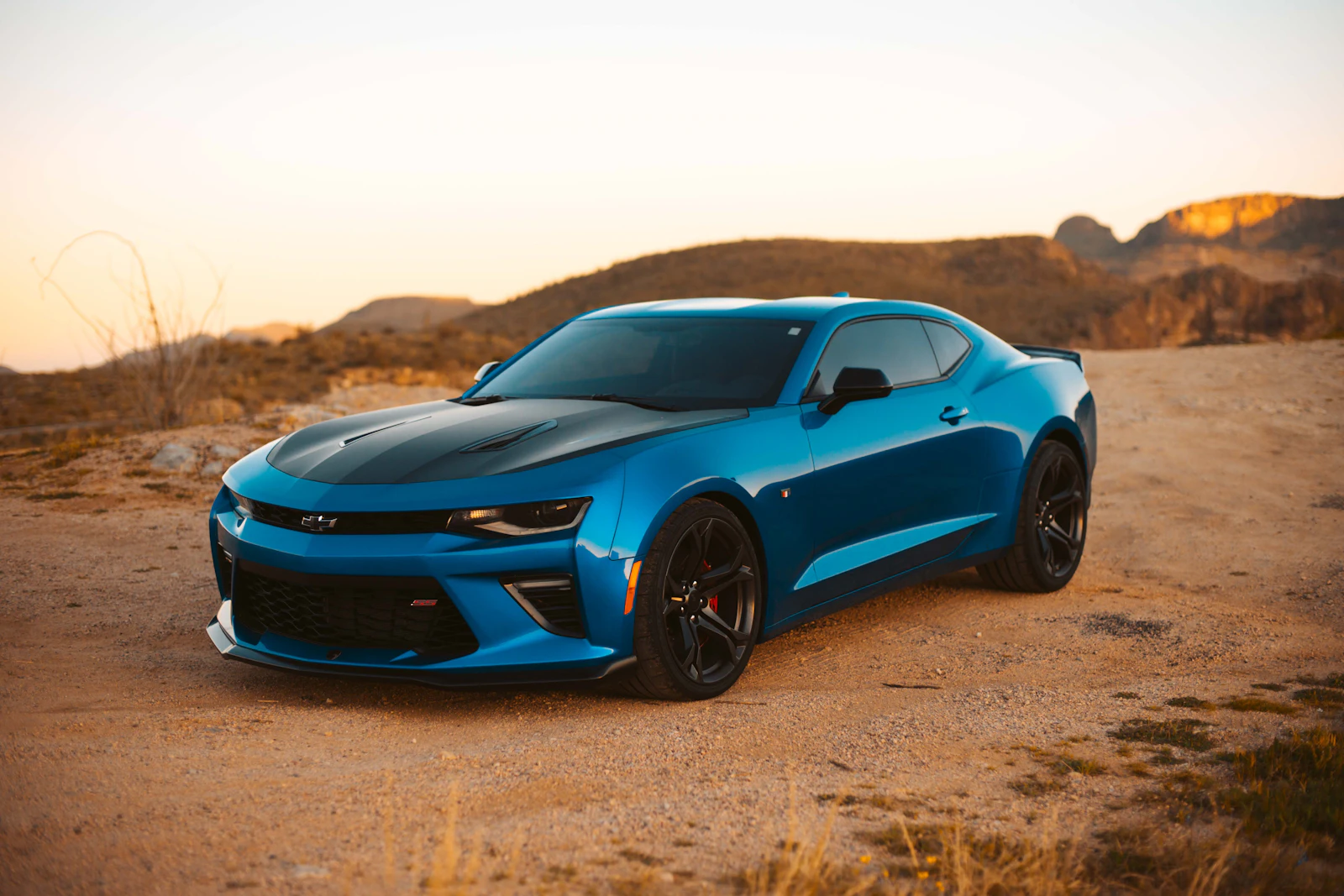
Buying a new car is exciting — but most owners leave thousands of rupees on the table by ignoring one simple step: NCB transfer for the new car. Your No Claim Bonus is a loyalty reward you have already earned on your old policy, and the 2026 IRDAI rules let you carry it forward to your new vehicle to save up to 50% on the Own Damage premium.
This guide walks you through the entire NCB transfer new car process — what it is, who is eligible, the exact documents you need, the 7-step procedure, the latest 2026 IRDAI updates, the discount table, and the mistakes that quietly kill your bonus. By the end, you will know exactly how to transfer no claim bonus without stress.
Need help transferring your NCB to your new car?
Talk to an Aero Insurance ExpertTable of Contents
- What is No Claim Bonus (NCB)?
- Can You Transfer NCB to a New Car?
- Step-by-Step NCB Transfer Process
- Documents Required for NCB Transfer
- NCB Rules — 2026 IRDAI Updates
- NCB Discount Table by Claim-Free Years
- Real-Life Scenario Example
- Common Mistakes to Avoid
- Pro Tips from Aero Insurance
- Frequently Asked Questions
What is No Claim Bonus (NCB)?
NCB is a reward — not a refund. It rewards safe driving and claim-free ownership. The discount begins at 20% after your first claim-free year and rises to a maximum of 50% after five consecutive claim-free years. Importantly, NCB belongs to the car owner, not the car, which is why you can carry it to a new vehicle.
NCB is applied only on the Own Damage (OD) premium, not on the mandatory Third-Party (TP) component. On a comprehensive car insurance renewal, this single discount can cut your annual premium by ₹4,000–₹25,000 depending on the car's IDV and claim history.
Can You Transfer NCB to a New Car?
Yes. Under IRDAI regulations, the NCB transfer new car process is fully allowed and is one of the most underused benefits in Indian motor insurance. When you sell your old car and buy a new one, the NCB accumulated on your old policy can be shifted to the new car's policy — not transferred to the buyer of your old car.
The buyer of your old vehicle only gets the third-party cover transferred in their name. Your earned NCB stays with you as the policyholder and can be applied to any new private car you purchase, regardless of brand, segment, or city.

Step-by-Step NCB Transfer Process
Follow this 7-step workflow to complete the NCB transfer process in India the right way. If you follow this exactly, the transfer usually completes within 7 to 15 working days.
Step 1 — Do Not Renew Your Old Policy
The moment you decide to sell your old car, stop the renewal cycle on its policy. Renewing it in your old car's name after the sale blocks the NCB from being released. Instead, let the policy continue till the sale date, then initiate transfer of the existing policy to the buyer.
Step 2 — Sell the Old Car and Complete RC Transfer
Complete the RTO ownership transfer using Form 29 and Form 30 so that the old car's Registration Certificate (RC) moves to the buyer's name. Keep a copy of the sale agreement — it is proof that you no longer own the insured vehicle.
Step 3 — Request an NCB Retention Letter
Within 90 days of the sale, contact your old insurer and request an NCB Certificate (also called an NCB Retention Letter or NCB Reservation Letter). This letter states your earned NCB percentage, your name, the old policy number, and is valid for three years.
Step 4 — Buy Your New Car and Get Temporary Registration
Purchase your new car and secure the temporary registration number from the dealer. Most showrooms bundle a default insurance policy — politely decline or ask them to quote the premium with your NCB certificate applied. You are not obligated to buy insurance from the dealer.
Step 5 — Submit NCB Certificate to Your New Insurer
When buying the new car's comprehensive policy, submit the NCB Retention Letter along with your KYC and car invoice. The insurer verifies the certificate with the old insurer and applies the NCB discount to your Own Damage premium.
Step 6 — Confirm NCB is Reflected on the New Policy
Once the new policy is issued, check the policy schedule carefully. The NCB percentage and discount amount must be printed on the policy document. If it is missing, raise an endorsement request within seven days — insurers can correct it and reissue the policy at no cost.
Step 7 — Update the RC Once Permanent Registration is Done
After the RTO issues the permanent registration number, share it with your insurer so they can update the policy with the correct vehicle registration details. This final step protects your claim validity going forward.
Skip the paperwork hassle — let Aero Insurance handle your NCB transfer end-to-end.
Get Your NCB Transferred Without HassleDocuments Required for NCB Transfer

| Document | Purpose | Source |
|---|---|---|
| NCB Retention Letter / Certificate | Proof of earned NCB percentage | Old insurer |
| Old Policy Copy | Verify claim-free history | Previous insurer |
| RC Transfer Proof (Form 29 & 30) | Confirm old car sold | RTO |
| Sale Agreement / Delivery Note | Proof of vehicle transfer | Buyer of old car |
| New Car Invoice | Vehicle value & IDV calculation | Car dealer |
| Temporary Registration Number | Map policy to new vehicle | Car dealer |
| KYC — PAN + Aadhaar | Policyholder identity | Policyholder |
Timeline Breakdown
| Stage | Typical Duration |
|---|---|
| Request NCB certificate from old insurer | 2–4 working days |
| Receive NCB Retention Letter | 3–7 working days |
| Submit documents to new insurer | Same day |
| New policy issuance with NCB applied | 1–3 working days |
| Total end-to-end | 7–15 working days |
NCB Rules — 2026 IRDAI Updates
The Insurance Regulatory and Development Authority of India (IRDAI) standardises NCB slabs across all general insurers. The framework stayed consistent into 2026, with a few practical clarifications that every new car buyer should know.
- Validity of NCB Certificate: Valid for three years from the date of your old policy expiry. If you buy a new car within this window, the NCB is fully usable.
- 90-Day Rule: You must apply for the NCB retention letter within 90 days of selling your old vehicle.
- Single-Owner Transfer Only: NCB is portable to a new car bought in the same policyholder's name. It is not transferable between family members except through a formal legal ownership change.
- Claim Protection Rider: The optional NCB Protection add-on preserves your bonus even if you make one small claim during the year — increasingly popular for 2026 buyers in metros.
- Segment Upgrades Allowed: Moving from a hatchback to an SUV does not reduce NCB. The percentage applies regardless of the new car's segment.
- Electric Vehicles (EVs): NCB transfer is applicable to EVs and hybrid cars in 2026, following the same slab structure as ICE vehicles.
NCB Discount Table by Claim-Free Years

| Claim-Free Years | NCB Discount | Applied On |
|---|---|---|
| After 1st year | 20% | Own Damage Premium |
| After 2nd year | 25% | Own Damage Premium |
| After 3rd year | 35% | Own Damage Premium |
| After 4th year | 45% | Own Damage Premium |
| After 5th year (and beyond) | 50% | Own Damage Premium |
Remember, this discount only applies to the Own Damage premium. Your Third-Party premium is fixed by IRDAI and cannot be reduced. However, because OD is usually 60–75% of a comprehensive premium, a 50% NCB on a high-IDV new car can translate into real savings of ₹15,000–₹30,000 per year.
Real-Life Scenario Example
Over the typical seven-year ownership cycle of a new car, the same 50% NCB — carefully protected with an NCB Protection add-on — can easily save ₹80,000 to ₹1,20,000 in cumulative premiums. That is a meaningful number for any household budget.
Common Mistakes to Avoid
- Letting the dealer auto-issue insurance. Showroom insurance is typically issued in minutes and often misses NCB discounts worth tens of thousands of rupees.
- Missing the 90-day window. If you apply for the NCB certificate after 90 days from policy lapse, insurers may refuse retention — and five years of earned bonus disappears.
- Not checking the new policy schedule. Always verify the NCB percentage is printed on your new policy. If it is missing, file an endorsement request immediately.
- Making a minor claim before selling. A small bumper claim of ₹4,000 can wipe out a 50% NCB worth ₹20,000. Use the NCB Protection rider or pay small damages out of pocket.
- Transferring NCB to the buyer of your old car. NCB belongs to you, not to the car. Never let a buyer claim your bonus during RC transfer.
- Using a different name on the new policy. The new policy must be in your name. A spouse's name or company name will invalidate the transfer.
Pro Tips from Aero Insurance
For a personalised walkthrough of your NCB transfer, our licensed advisors at Aero Insurance review your documents, calculate real savings, and issue the new policy in under 24 hours. You can also explore our comprehensive car insurance plans and motor insurance guides for deeper context.
Frequently Asked Questions
Can I transfer NCB from my old car to a new car?
Yes. As long as the new car is registered in your name, you can transfer the earned NCB percentage to the new car's policy by submitting an NCB Retention Letter from your previous insurer.
How long is the NCB certificate valid?
The NCB Retention Letter is valid for three years from the expiry of your previous policy. You must buy the new car policy within this window to use the discount.
Can I transfer NCB to another person?
No. NCB is tied to the policyholder, not the car. It cannot be transferred to a friend, colleague, or the buyer of your old vehicle. A legal ownership transfer within the immediate family may be considered by some insurers on a case-by-case basis.
Will I lose my NCB if I miss renewing my old policy?
You have a 90-day grace window from the date of policy expiry to apply for an NCB retention letter. After 90 days, most insurers will reset your NCB to zero.
Does NCB apply to third-party car insurance?
No. NCB is applicable only on the Own Damage portion of a comprehensive car insurance policy. Third-party premium is fixed by IRDAI and cannot be reduced.
Can I switch insurers and still keep my NCB?
Yes. NCB is portable across all general insurers in India. You can buy your new car policy from any IRDAI-licensed insurer and still apply your previously earned NCB.
Is NCB transfer allowed for electric vehicles in 2026?
Yes. IRDAI permits NCB transfer to EVs and hybrids using the same slab structure as petrol and diesel cars. The process and documents remain identical.
Can the dealer's default insurance reduce my NCB?
Yes, indirectly. If the dealer issues a new policy without applying your NCB certificate, you lose the discount for that year. Always submit your NCB Retention Letter before the new policy is issued or cancel the default policy within the 15-day free-look period.
Conclusion — Your NCB is Money You Already Earned
Your No Claim Bonus is not a perk. It is savings you earned across years of safe driving, and the 2026 IRDAI rules make it fully portable when you buy your next car. By following the seven-step NCB transfer new car process — getting the retention letter within 90 days, verifying the NCB percentage on the new policy, and avoiding dealer-issued default plans — you can cut your Own Damage premium by up to 50%.
If you are buying a new car this month, do not let your bonus evaporate on paperwork you did not know existed. The team at Aero Insurance handles the entire NCB transfer end-to-end, calculates the best IDV, and issues your new policy within one working day.
Buying a new car? Lock in your full NCB discount today.
Talk to an Aero Insurance Expert